
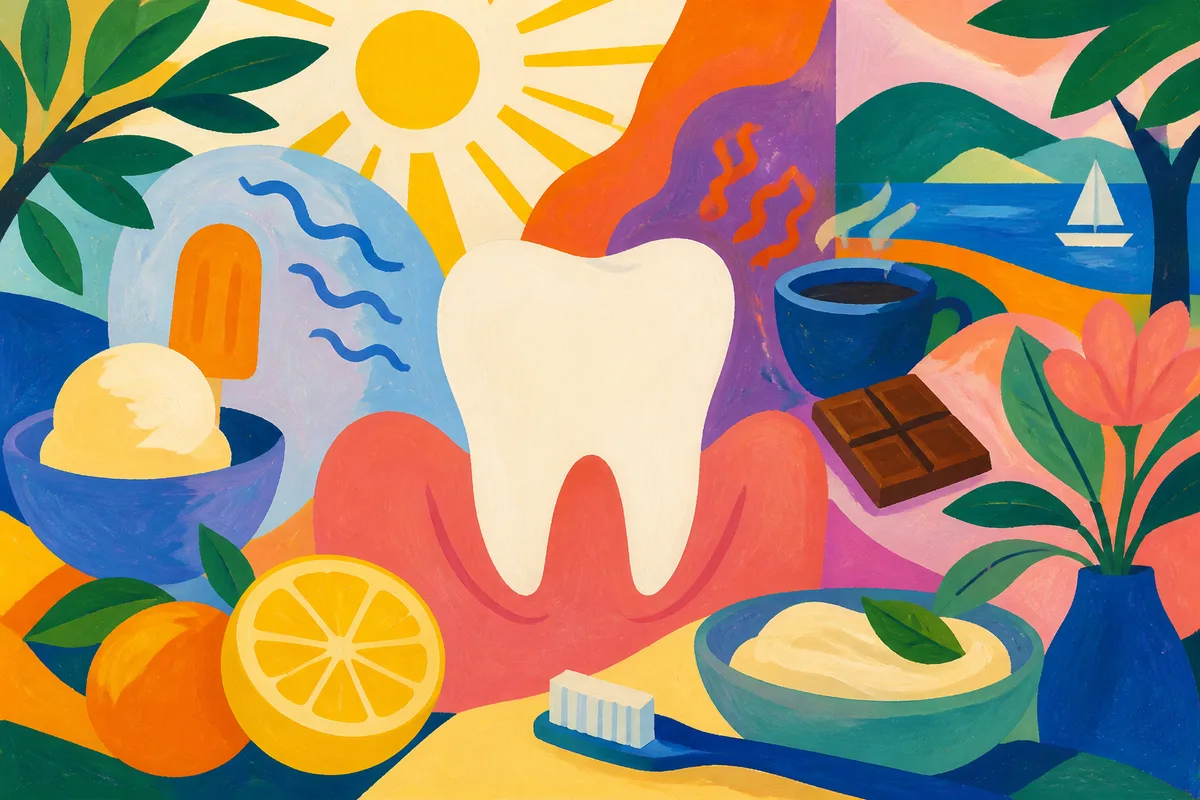
Why Teeth Get Sensitive — and What You Can Do About It
That quick, sharp zing when you bite into ice cream or sip a hot cup of coffee is one of the most common complaints dentists hear. Tooth sensitivity can show up suddenly or build slowly over time, and it can range from a mild annoyance to something that makes you think twice before eating your favorite foods.
The good news is that sensitive teeth almost always have an explainable cause, and many of those causes respond well to small changes at home or a simple visit to the dentist. This post walks through why teeth become sensitive, what you can try on your own, and how to know when it is time to bring it up at your next appointment.
What Usually Causes Sensitive Teeth
Underneath the hard outer layer of enamel, your teeth have a softer layer called dentin, which is full of tiny tubes that lead to the nerve. When enamel wears down or gums pull back and expose the root surface, those tubes are no longer protected, and hot, cold, sweet, or even cool air can reach the nerve and cause that familiar zap of discomfort.
Enamel wear can happen from years of brushing too hard, grinding or clenching at night, or regularly eating and drinking acidic things like citrus, soda, or wine. Gum recession, where the gum line moves away from the tooth, often comes with age but can also be linked to gum disease or overly aggressive brushing.
Sometimes sensitivity points to something more specific, like a cavity, a cracked tooth, a worn filling, or a tooth that recently had whitening treatment. Sensitivity after whitening is usually temporary, but any sensitivity that lingers or feels sharp when you bite down deserves a closer look.
Everyday Habits That Can Make Sensitivity Worse
Certain habits speed up enamel wear and gum recession without you realizing it. Brushing with a hard-bristled brush or scrubbing too vigorously can wear away enamel and irritate gums over time, even though it feels like you are doing a thorough job.
Frequent snacking on acidic foods and drinks softens enamel temporarily, and brushing right after can make that wear worse. Clenching or grinding your teeth, especially during sleep, puts constant pressure on enamel and can also contribute to small cracks that let sensitivity in. Using your teeth to open packages or bite down on very hard objects adds to the wear as well.
What Helps at Home
A few simple adjustments can make a real difference for many people. Switching to a soft-bristled toothbrush and using gentle, circular motions instead of scrubbing back and forth protects both enamel and gum tissue. Toothpaste made for sensitive teeth can also help calm the nerve response over time when used consistently.
Cutting back on acidic foods and drinks, or at least rinsing your mouth with water afterward instead of brushing right away, gives enamel a chance to recover. If grinding or clenching is part of the picture, wearing a night guard while you sleep can protect your teeth from that ongoing pressure.
Routine dental visits play a role too. Professional cleanings help keep gum tissue healthy, and fluoride treatment can strengthen enamel and make it more resistant to the everyday wear that leads to sensitivity.
When It Is Time to Have It Looked At
Occasional mild sensitivity is common, but certain signs are worth a phone call. Sensitivity that lingers well after the hot or cold trigger is gone, pain that is sharp and localized to one specific tooth, or discomfort when biting down can point to a cavity, a cracked tooth, or a problem with gum health that needs attention.
During a dental exam, digital X-rays can reveal issues below the surface that are not visible to the eye, and your dentist can check for gum recession, worn spots, or cracks that might be causing the discomfort. Depending on what is found, treatment might involve something as straightforward as a fluoride application or, if needed, restorative care like a filling, crown, or periodontal treatment.
If you have been living with sensitive teeth and are not sure why, the team at Dental Office of Dr. Salm, Kanner, and Grandeau in New York is happy to take a look, talk through what might be causing it, and go over options that make sense for your situation. A quick check now can save you from bigger discomfort down the road.
Questions about your own care? The team at Dental Office of Dr. Salm, Kanner, and Grandeau is happy to help — call us at (347) 640-5989 or request an appointment.
This article is for general information only and is not medical advice.